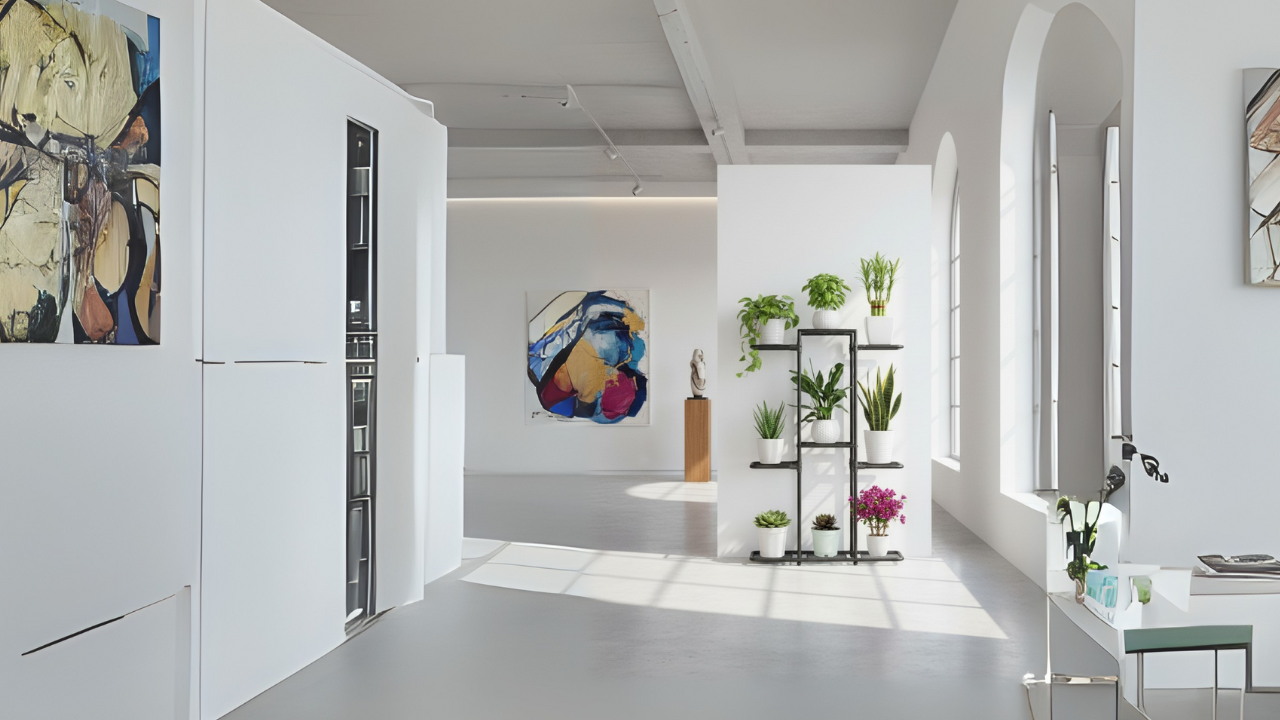
Vastu Compliance has become one of the most important factors for home buyers in India. Buying a home is not just a financial decision; it’s deeply intertwined with emotional, cultural, and spiritual beliefs. Among these, Vastu Shastra—the ancient science of architecture and energy flow—has emerged as a major influence on modern home buyers. From selecting the perfect plot to arranging furniture and even planting certain plants, Vastu principles are reshaping how people approach home ownership.
But why are home buyers in India so obsessed with Vastu Compliance? And how do Vastu-friendly plants like Lakshmi Kamala, Vishnu Kamala, Lucky Bamboo, and others contribute to this growing trend? Let’s explore.
Understanding Vastu Shastra
Vastu Shastra is an ancient Indian science that focuses on harmonizing human dwellings with the natural elements—earth, water, fire, air, and space. According to Vastu, the proper alignment of rooms, entrances, furniture, and even plants can create positive energy, leading to prosperity, health, and happiness.
In modern times, as homes become more than just a place to live, Vastu has gained attention among home buyers who want more than just aesthetics—they want harmony, well-being, and success.
The Psychological Appeal of Vastu
For many home buyers, Vastu isn’t just superstition; it’s a psychological comfort. Knowing that their home is aligned with cosmic energy reduces stress, instills a sense of security, and enhances positivity. This mindset can influence every aspect of life—from financial growth to emotional balance.
Moreover, the obsession with Vastu often stems from cultural beliefs passed through generations. Parents, grandparents, and relatives frequently recommend checking Vastu before making a purchase.
Vastu and Plant Energy
One of the most fascinating aspects of Vastu is the use of plants to attract positive energy. Many home buyers in India believe that the right plants in specific locations can influence wealth, health, and happiness. Here’s a closer look at some popular Vastu plants and their benefits:
1. Lakshmi Kamala
Significance: Flower of Goddess Lakshmi, representing wealth and prosperity.
Benefits: Attracts abundance and divine feminine energy.
Placement: Ideal for the pooja room or northeast corner of your home.
2. Vishnu Kamala
Significance: Symbol of calm and protection.
Benefits: Brings mental peace, emotional balance, and spiritual strength.
Placement: Best near the east or in meditation spaces.
3. Lucky Bamboo
Significance: A timeless symbol of good luck.
Benefits: Promotes growth, positivity, and harmony.
Placement: Near the home entrance or on an office desk.
4. Snake Plant
Significance: The energy purifier.
Benefits: Absorbs toxins, cleans air, and blocks negative energy.
Placement: Bedrooms, corners, or low-light areas.
5. Aloe Vera
Significance: Healer of the body and home.
Benefits: Reduces stress, enhances positivity, and provides cooling energy.
Placement: South-facing windows or workspaces.
6. Peace Lily
Significance: Serene beauty with silent power.
Benefits: Promotes peace, clarity, and spiritual well-being.
Placement: Living rooms, prayer areas, or meditation corners.
7. Money Plant
Significance: Green magnet for wealth.
Benefits: Attracts financial stability, growth, and success.
Placement: Southeast (finance zone) or near lockers.
8. Bougainvillea
Significance: Burst of vibrant positive energy.
Benefits: Adds color, charm, and cheer to any space.
Placement: Outdoors near entrances or balconies.
9. Lakshmi Tulasi
Significance: The most sacred plant in Indian homes.
Benefits: Purifies air and mind, strengthens immunity, and deepens spiritual connection.
Placement: Northeast corner or near the kitchen.



Why Indian Home Buyers Trust Vastu
Several factors contribute to the obsession with Vastu among home buyers:
1. Belief in Prosperity and Well-being
Vastu is believed to bring wealth, health, and happiness. Many buyers are convinced that the right alignment of rooms and plants can influence financial growth and personal well-being.
2. Influence of Culture and Tradition
In India, traditions hold a strong influence. Families often recommend checking Vastu before construction or purchase, making it a common expectation in real estate.
3. Psychological Reassurance
A home built according to Vastu provides a sense of security and harmony, which is particularly comforting in today’s fast-paced world.
4. Increasing Awareness
With social media, home décor blogs, and Vastu consultants gaining popularity, more people are aware of how small changes—like plants—can impact energy flow.
Practical Tips for Buyers
If you’re a home buyer in India considering Vastu, here are some practical tips:
Entrance Matters: Always check the main door’s direction. North and east-facing doors are considered auspicious.
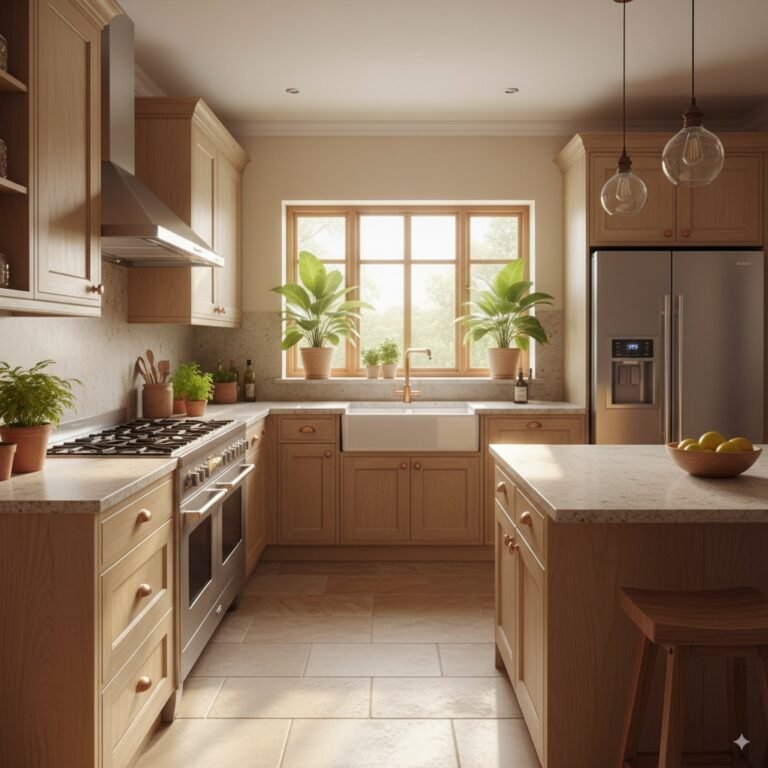
Room Placement: Kitchens in the southeast, bedrooms in southwest, and living rooms in northeast are ideal.
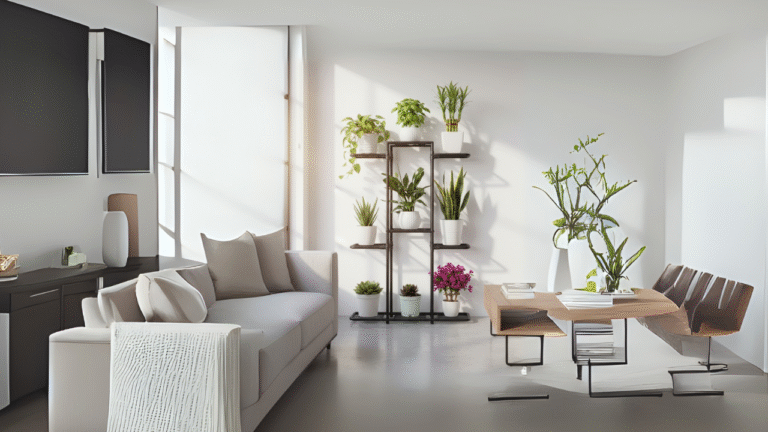
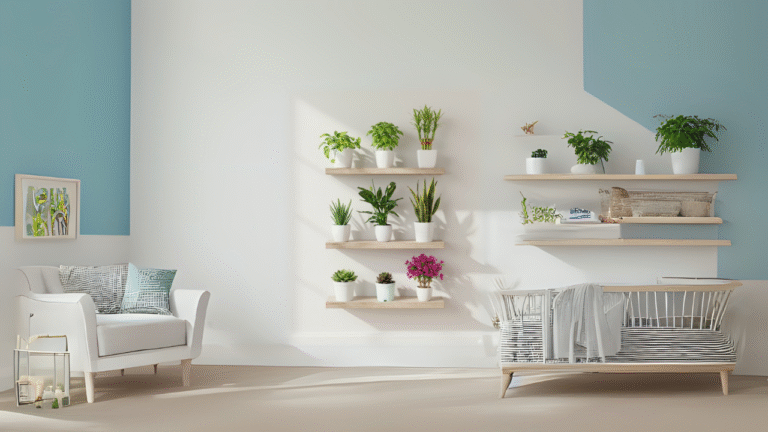
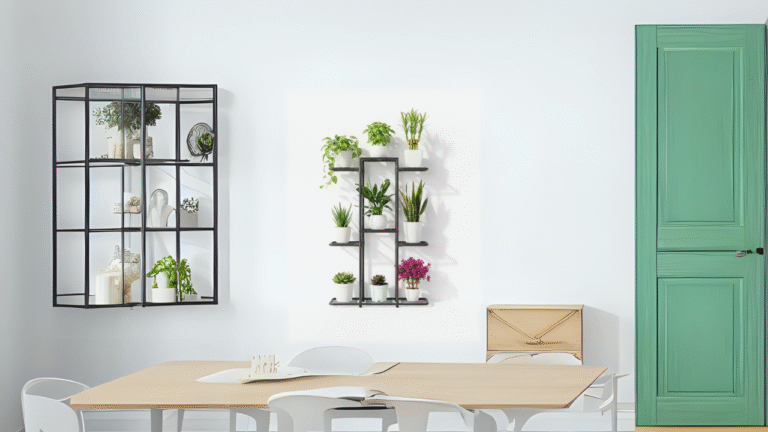
Plant Integration: Incorporate Vastu plants in your home to boost positivity and wealth.
Consult Experts: For major decisions, consider a Vastu consultant to verify energy flow and placements.
Balance Aesthetics and Vastu: You don’t have to compromise style; Vastu can complement modern interiors beautifully.
Vastu in Modern Real Estate
Real estate developers are noticing the trend. Many new apartments and villas in Bengaluru, Mumbai, and Delhi now highlight Vastu compliance in marketing materials. Features like north-east facing entrances, vastu-optimized floor plans, and inclusion of sacred plants attract buyers faster than homes without these features.
The obsession with Vastu Compliance among home buyers in India is more than a passing trend; it’s a reflection of the deep-rooted cultural, spiritual, and psychological factors that guide decisions. From ensuring the flow of positive energy to incorporating sacred plants like Lakshmi Kamala, Vishnu Kamala, and Money Plant, buyers are investing in homes that promise harmony, prosperity, and well-being.
For home buyers in Bengaluru and across India, following Vastu Compliance is not just about superstition—it’s a holistic approach to living that balances tradition, psychology, and the modern lifestyle.
Investing in a Vastu Compliance home with the right plants is a step toward not only a beautiful home but also a peaceful and prosperous life. By embracing Vastu Compliance, homeowners align their spaces with positivity, success, and long-term growth.
Stay Connected with The Good Luck Lady
FAQ's
Q1. Can Vastu really influence wealth and prosperity?
Many believe it does. Proper Vastu alignment creates positive energy, attracting opportunities and abundance.
Q2. Are Vastu plants scientifically beneficial?
While some plants like Aloe Vera and Snake Plant purify air, their Vastu significance adds a spiritual and psychological dimension for home occupants.
Q3. Is Vastu only about plant placement?
No, Vastu encompasses room layout, furniture alignment, entrances, colors, and plants. All these elements together harmonize energy flow.
Q4. Can small apartments follow Vastu principles?
Absolutely. Even small homes can incorporate Vastu through plant placements, décor choices, and room orientation.
Q5. Are certain plants more effective in specific directions?
Yes. For instance, Money Plant in the southeast is ideal for wealth, while Lakshmi Kamala in the northeast attracts prosperity and positivity.