Plants have always been a source of life, beauty, and healing. In Indian culture, certain plants like Tulsi, Money Plant, and Bamboo are not just decorative—they are considered sacred and energy-giving. According to Vastu rules, plants play a powerful role in balancing the five elements of nature and ensuring harmony at home.
But here’s the surprising truth: ignoring Vastu rules for plants can harm your health, peace of mind, and even prosperity. The wrong plants—or even the right ones placed in the wrong direction—can disturb the flow of positive energy. On the other hand, following proper Vastu rules with plant selection and placement can promote good health, wealth, and spiritual growth.
At The Good Luck Lady, a trusted Vastu consultant in Bengaluru, we have seen how simple changes like repositioning a Tulsi plant or removing a thorny cactus indoors—based on Vastu rules—have improved the lives of many families. Let’s explore why Vastu rules for plants matter, which ones you must keep, which ones to avoid, and how they affect your health and happiness.
The Best Vastu Plants for Good Health and Positivity
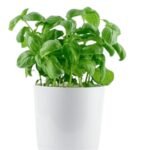
1. Lakshmi Tulasi (Sacred Basil)
Known as the “Queen of Herbs.”
Must be placed in the north, northeast, or east direction.
Brings spiritual growth, immunity, and good health.
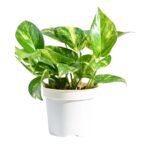
2. Money Plant
Best placed in the southeast direction (wealth corner).
Brings financial growth and prosperity.
Avoid keeping it in the northeast—it may cause financial instability.
3. Lucky Bamboo
Symbol of luck and long life.
Should be placed in the east or southeast corner.
Attracts peace, positivity, and career growth.
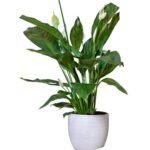
4. Peace Lily
Helps reduce stress and improves sleep quality.
Best kept in the bedroom, northeast, or east side.
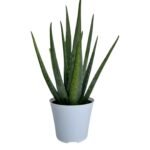
5. Aloe Vera
Known for healing and medicinal properties.
Can be placed near a sunny window in the east or north direction.
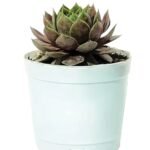
6. Lakshmi Kamala
Enhances positive energy, creating a calm and harmonious home environment.
Reduces mental stress and promotes emotional stability.
Encourages a healthy, balanced lifestyle by improving overall well-being.
7. Vishnu Kamala
Enhances positive energy, creating a calm and harmonious home environment.
Reduces mental stress and promotes emotional stability.
Encourages a healthy, balanced lifestyle by improving overall well-being.
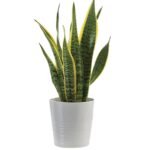
8. Snake Plant
Purifies indoor air by absorbing toxins like formaldehyde and benzene.
Supports better respiratory health and reduces allergies.
Improves sleep quality by increasing oxygen levels at night.
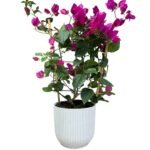
9. Bougainvillea
Improves mood and reduces feelings of depression or tension.
Adds vibrant energy to the home, enhancing positivity.
Helps in emotional release and relaxation, promoting mental calmness.

Plants to Avoid Indoors as per Vastu Rules
Not all plants bring positivity. Some are considered inauspicious when kept indoors:
Cactus or thorny plants: Invite tension and arguments.
Bonsai plants: Symbolize restricted growth and lack of progress.
Cotton and Silk plants (artificial plants): Represent falsehood and stagnation.
Dead or dried plants: Attract negativity and poor health.
Placement of Plants as per Vastu
Northeast (Ishaan corner): Tulsi, small shrubs, and flowering plants.
Southeast: Money plant, bamboo, fruit-bearing plants.
North: Medicinal plants like Aloe Vera, Mint, or Tulsi.
West: Small potted plants or creepers.
South: Avoid heavy plants or water plants here.
Health Benefits of Keeping Vastu Plants
Improved Air Quality: Plants like Areca Palm, Aloe Vera, and Tulsi release oxygen and absorb toxins.
Stress Relief: Greenery soothes the mind and reduces anxiety.
Better Sleep: Plants like Peace Lily create a calm atmosphere.
Boosted Immunity: Tulsi and Neem have natural medicinal benefits.
Financial & Emotional Balance: Money Plant and Bamboo balance wealth and relationships.
Vastu Plants in Apartments – Bengaluru Homes
In modern Bengaluru apartments, space is limited, but vastu plants can still bring harmony:
Place a Tulsi plant on the balcony facing east.
Keep a money plant in the southeast corner of the living room.
Use small indoor plants like bamboo and peace lily in bedrooms.
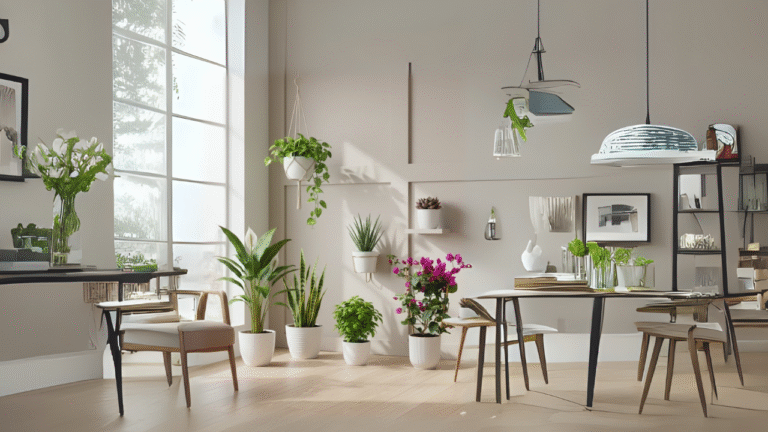
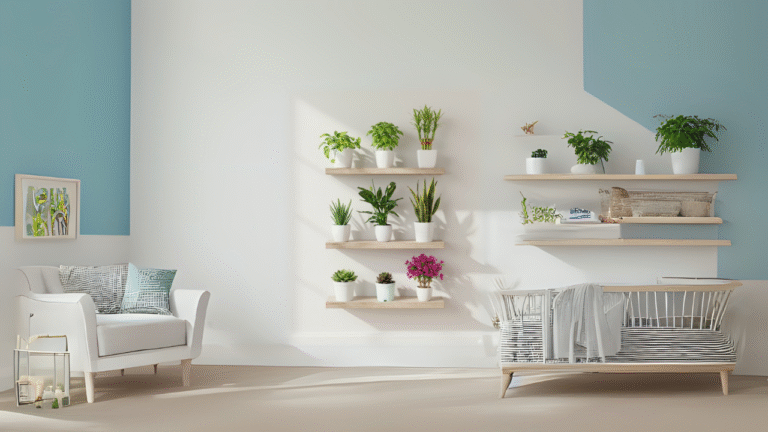
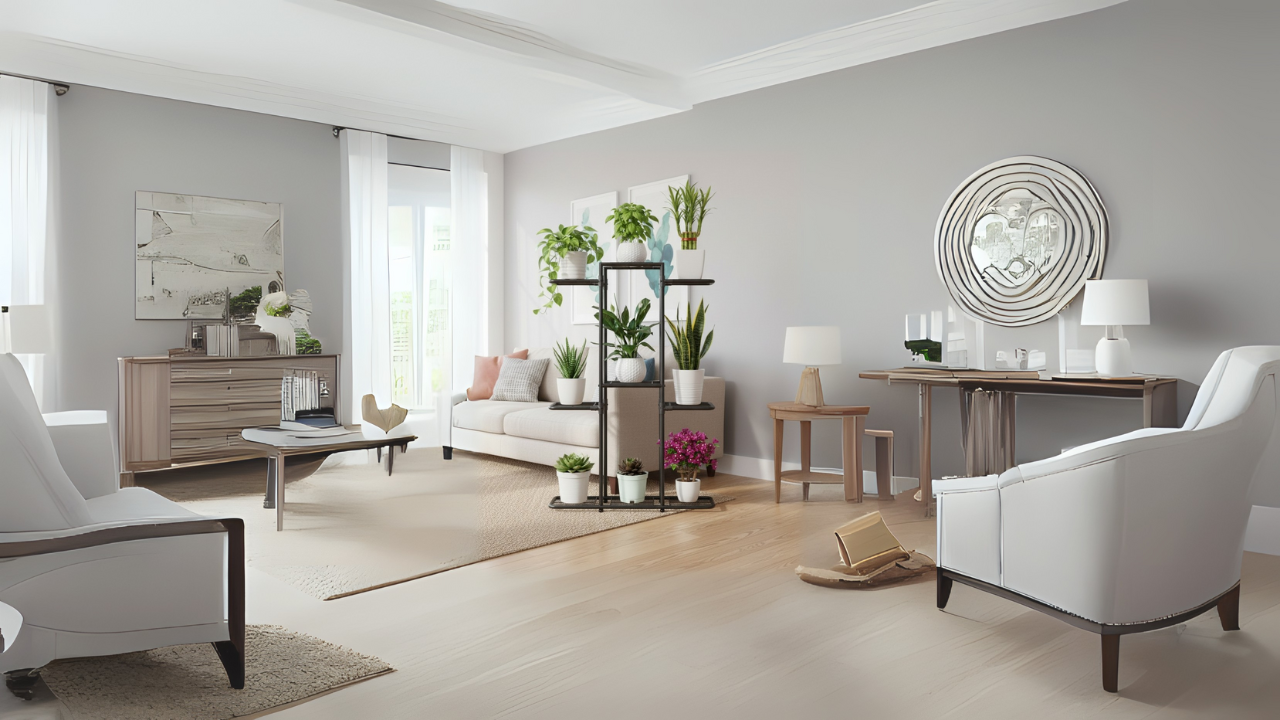
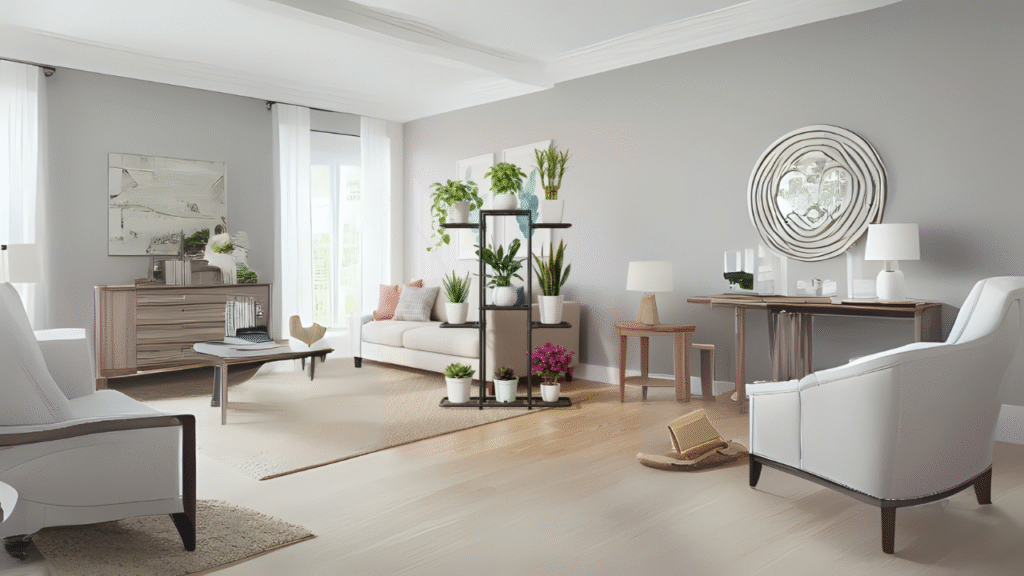
If space is limited, use vastu-approved indoor planters or shelves to position plants correctly.
Even a few vastu-friendly plants can create a refreshing and balanced environment.
Practical Remedies if You Have Wrong Plants
If you have cactus indoors, shift it outside the house in the southwest corner.
If bonsai plants are already in your home, place them outdoors, not inside.
If a plant has dried or died, remove it immediately—it blocks positive energy.
Replace artificial plants with real ones to invite freshness and life energy.
FAQ's
1. Which plant is best for health according to Vastu?
Tulsi is the best plant for health and positivity.
2. Can we keep cactus plants at home?
3. Where should the money plant be kept?
In the southeast corner for prosperity and financial growth.
4. Can bonsai plants be kept inside the house?
No, bonsai symbolize restricted growth and should not be kept indoors.
5. Which plants are best for bedrooms?
Peace Lily, Bamboo, and Areca Palm are ideal for bedrooms.
6. What to do if a plant dries up?
Remove dried plants immediately—they represent blocked energy.
Ignoring Vastu rules for plants is more harmful than people realize. Plants are not just decorative—they are energy carriers. When placed according to Vastu rules, they purify the air, improve health, reduce stress, and invite prosperity. But when ignored or wrongly placed, they can cause stagnation, arguments, and even health troubles.
At The Good Luck Lady, Bengaluru’s trusted Vastu consultant, we encourage homeowners to embrace Vastu rules by choosing vastu-friendly plants for their homes and offices. Whether you live in a small apartment or a large villa, adding the right plants in the right direction following Vastu rules can make a powerful difference in your health and happiness.
Remember: Plants are life-givers, but only when placed with awareness and harmony. Don’t ignore Vastu rules—let your plants nurture your well-being.